| Invarosoft CX · Web Forms |
How to Create a Webform
A web form is an online form you use to collect information from your clients, such as surveys, contact forms, registrations, or feedback. This guide shows you how to create one, set up how it logs tickets, add questions (including conditional ones), and get it ready to share.
Once it's created, you can share your web form in several ways:
Watch it in action
This interactive walkthrough plays on its own — sit back and watch, or use the arrows at the bottom to skip ahead or replay a step.
Steps to follow
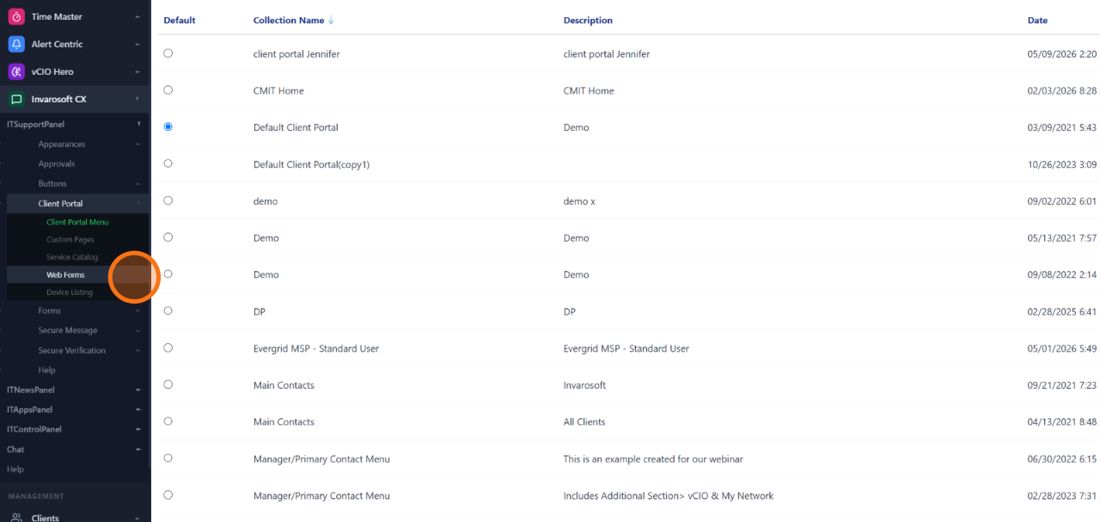
In the left sidebar, open Invarosoft CX, expand ITSupportPanel and Client Portal, then select Web Forms. You can also reach the same page from ITSupportPanel → Forms → Web Forms.
Invarosoft CX → ITSupportPanel → Client Portal → Web Forms
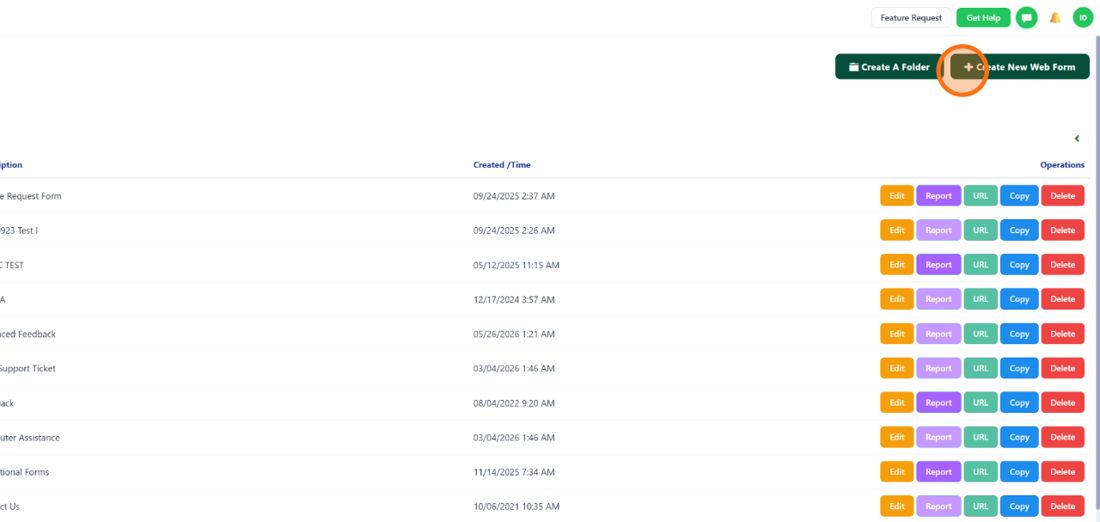
| Create a new web form or edit an existing one |
Click Create New Web Form in the top-right corner. To change a form you already have, click the Edit button on its row instead and continue from step 4.
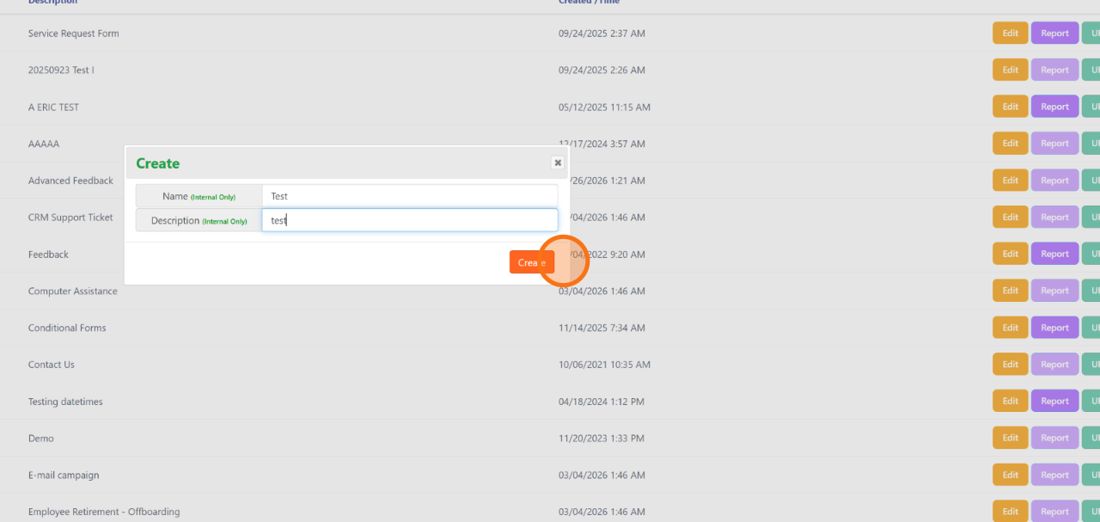
| Enter a name and description, then click Create |
In the Create window, type a Name and a Description (both are internal only, so clients won't see them), then click Create.
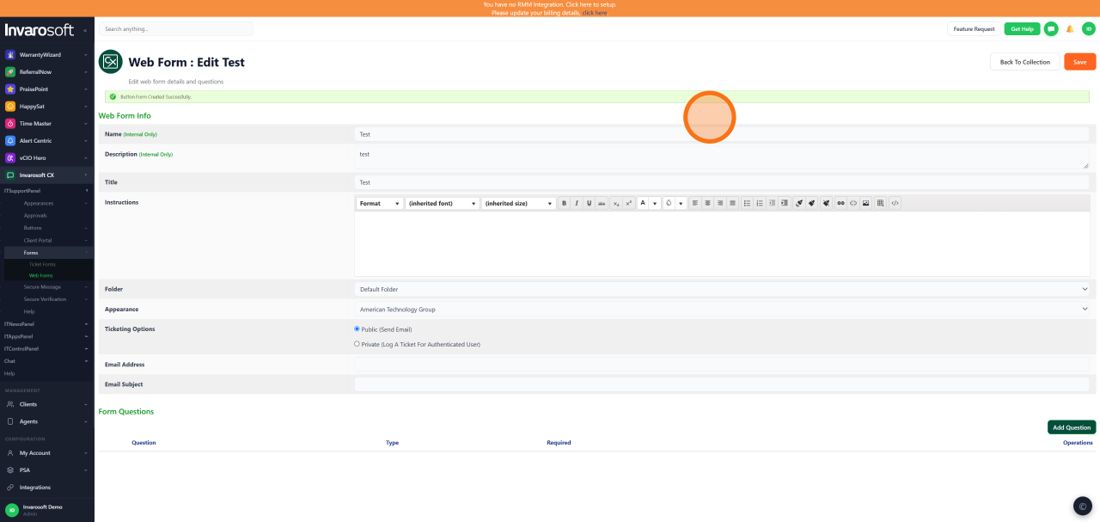
| Complete the Webform Settings |
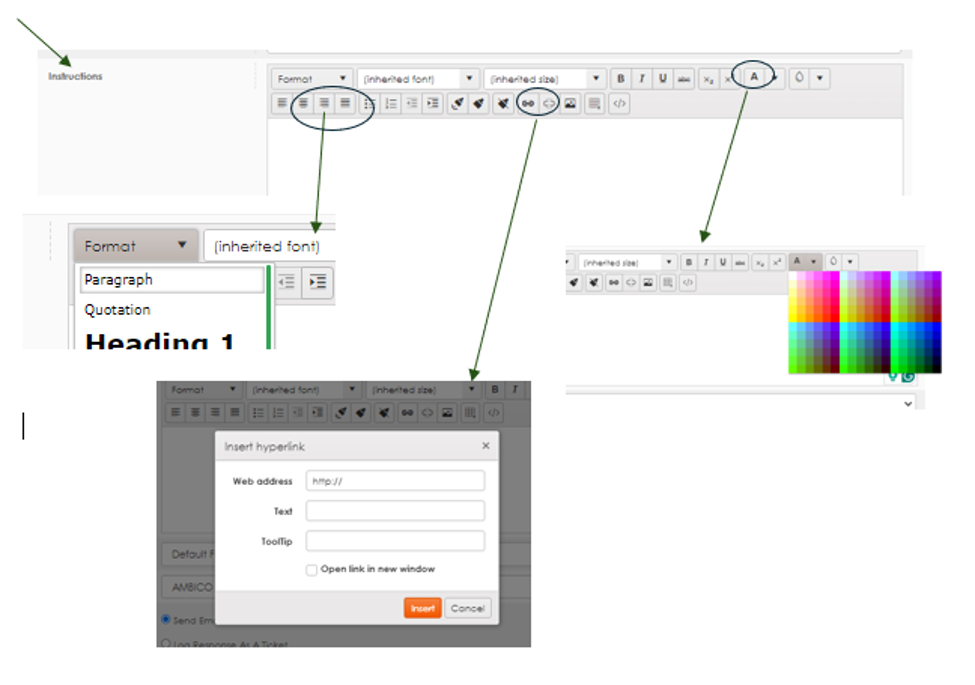
Under Web Form Info, fill in the Title clients will see, the Instructions, the Folder where the form will be stored, and the Appearance. The next sub-steps explain the Instructions and Appearance fields in more detail.
| Add instructions or documents in the Instructions field |
Use the Instructions field to add a header, guidance, or documents at the top of the form. The editor lets you embed a video, change paragraph colors, align text, and change the font format, among other options.
| Choose the form's Appearance |
Don't forget to pick the Appearance you want the form to use. If you leave it empty, the form will be displayed with the default appearance.
| Give your instructions a polished design with HTML (optional) |
Want your instructions to look like a designed page instead of plain text? Follow this guide to build a styled HTML block and paste it into the Instructions field.
| Select your Ticketing Options |
Choose how the form will create tickets and who can open it. Keep this in mind:
- Public (Send Email): an email is sent to the address you set in the Email Address field. The form can be opened through its URL, which you can copy to send in emails or place on any page.

- Private (Log A Ticket For Authenticated User): The form can only be viewed from the client portal and the app, so it's for registered users only and cannot be opened through the URL.

- Public/Private (Allow Public Submissions When User Not Authenticated): Check this box to copy and open the URL from anywhere. The form creates a ticket, and if that fails because the user isn't authenticated, it sends an email with the ticket information to the designated address so nothing is lost.

Then complete the Email Address, Email Subject, and Ticket Type fields as needed.
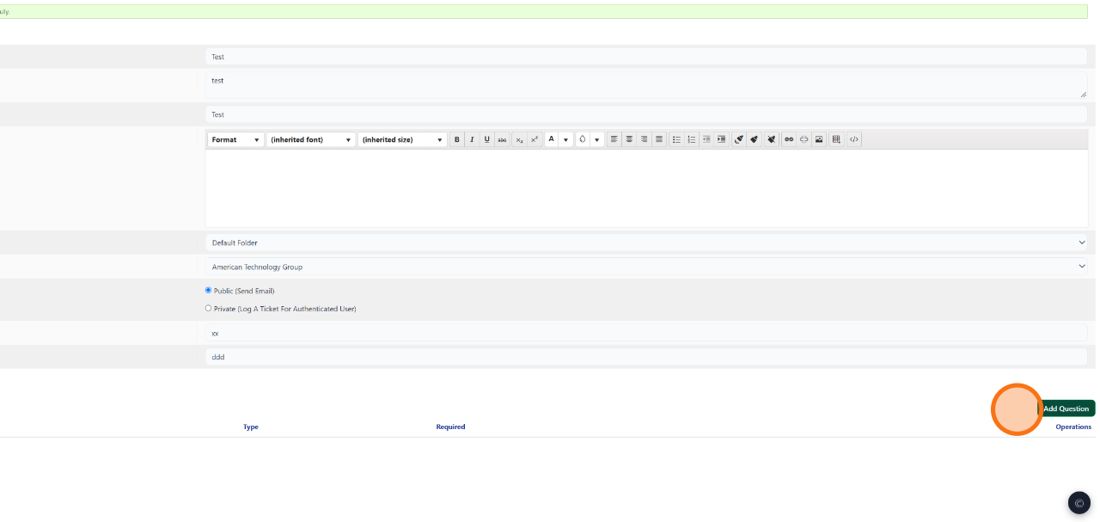
In the Form Questions section, click Add Question.
| Set up the question and click Add |
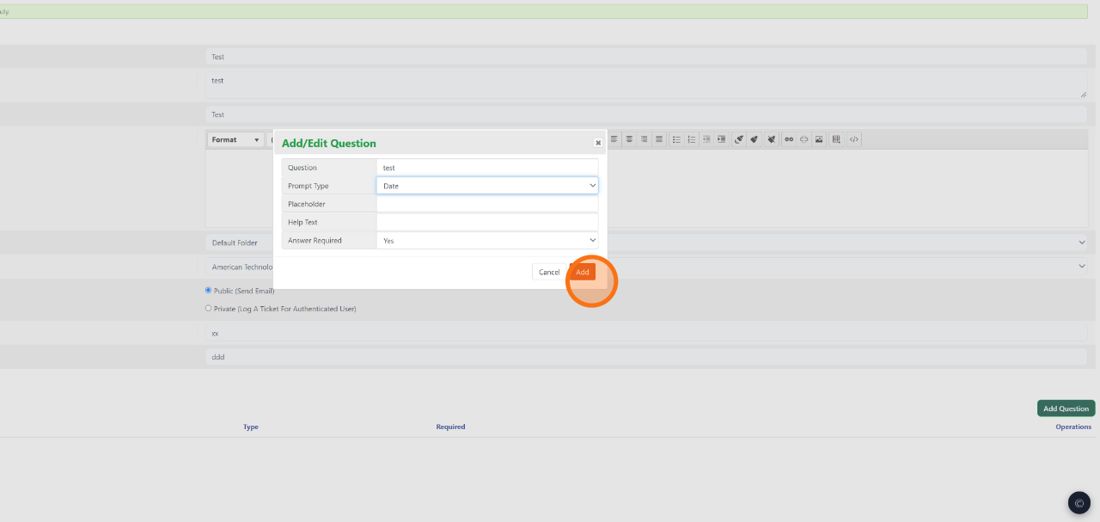
In the Add/Edit Question window, type the Question, select the Prompt Type (for example, a text box or a date), and complete the rest of the fields: Placeholder, Help Text, and Answer Required. Then click Add.
Tip: to add more questions, repeat steps 6 and 7 as many times as you need. If a question doesn't need conditions, skip to step 12.
Conditional questions (optional)
Conditions make a question appear only when a previous answer matches a rule. They're available starting from the second question, and conditional questions can't be mandatory.
| Choose when to show the question and click Add Condition |
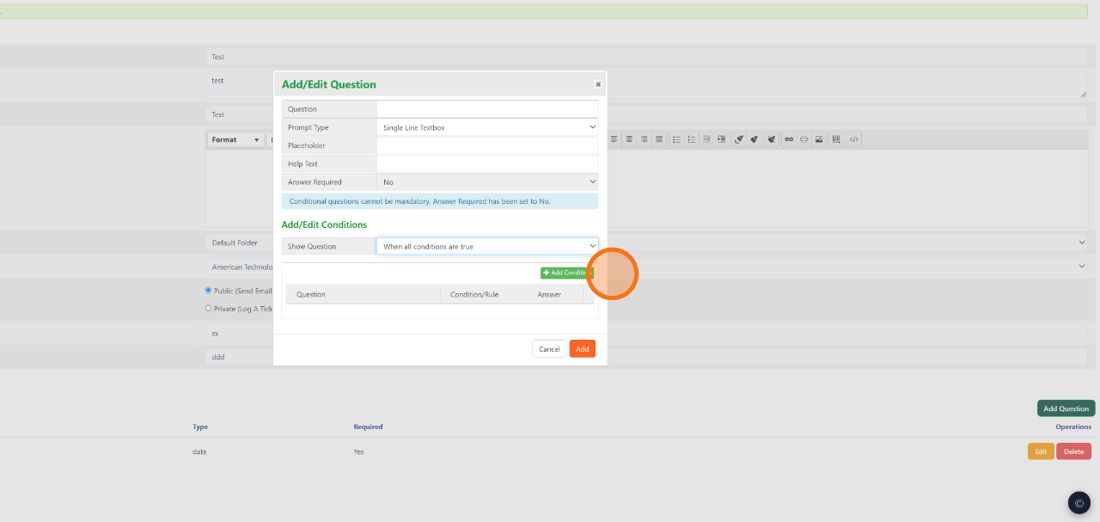
Under Add/Edit Conditions, use Show Question to decide whether all conditions must be met or just one of them, since you can add more than one. Then click Add Condition to begin.
| Select the linked question |
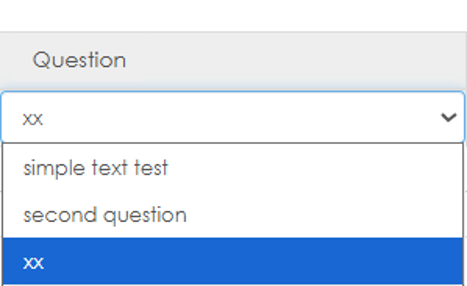
In the Question column, select the question this condition will be linked to.
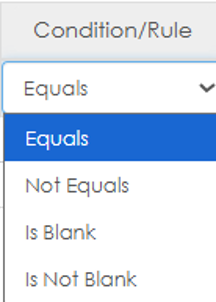
In Conditions/Rule, choose the rule to apply, for example Equals, Not Equals, Is Blank, or Is Not Blank.
| Choose the answer that triggers the question and click Add |
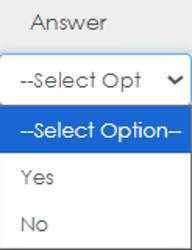
In Answer, choose the answer that will make this question appear. If the linked question has multiple-choice options, those options are listed for you to select; if it's a text question, type the value to compare against. Then click Add.
Tip: repeat steps 8 to 11 to add more conditions, and steps 6 and 7 to add more questions.
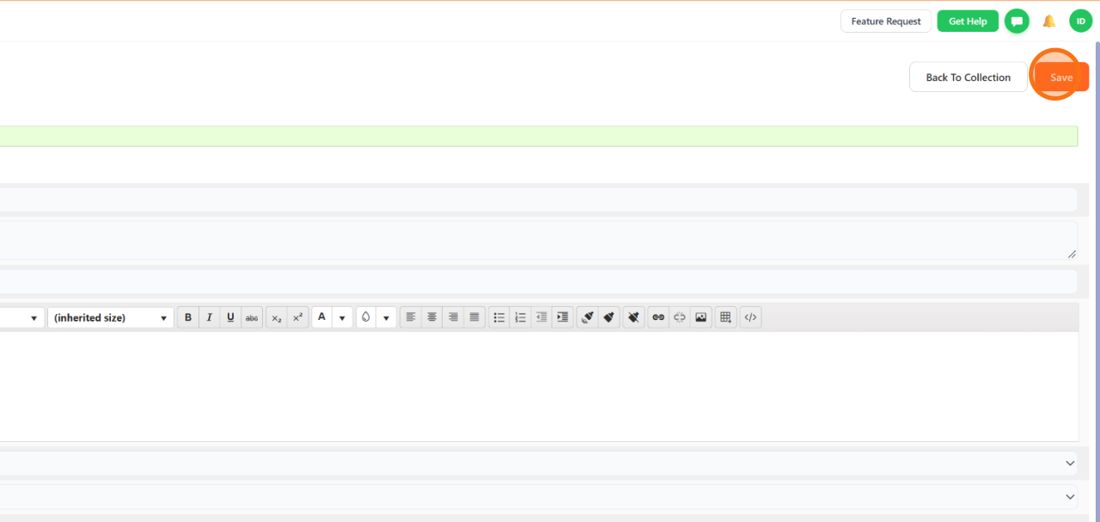
When you finish adding questions, click Save in the top-right corner. Your web form is now ready to collect responses.
Additional options
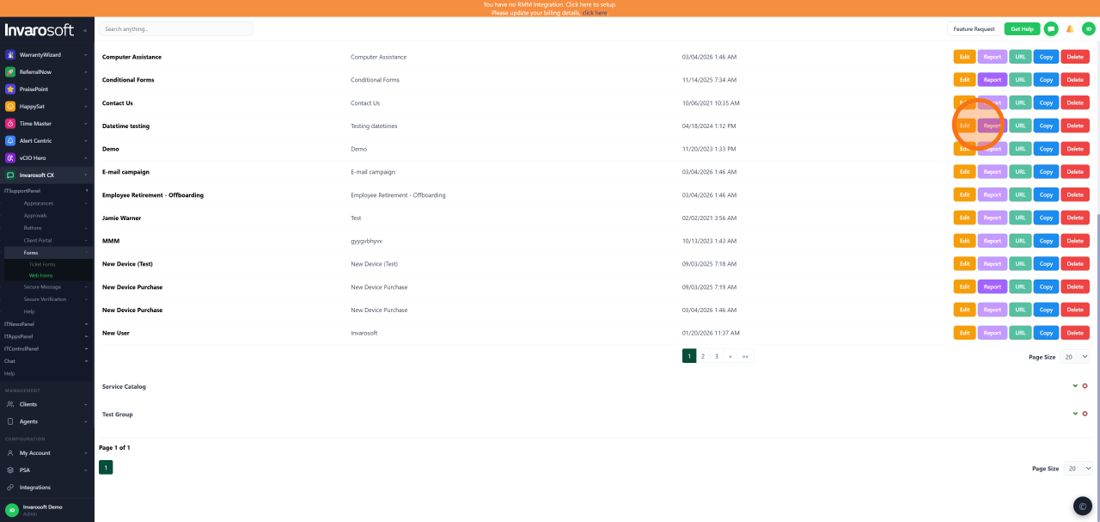
| Review submissions with the Report button |
To see what clients have submitted, go back to the Web Forms list and click Report on the form's row. From there you can filter by date and open each response.
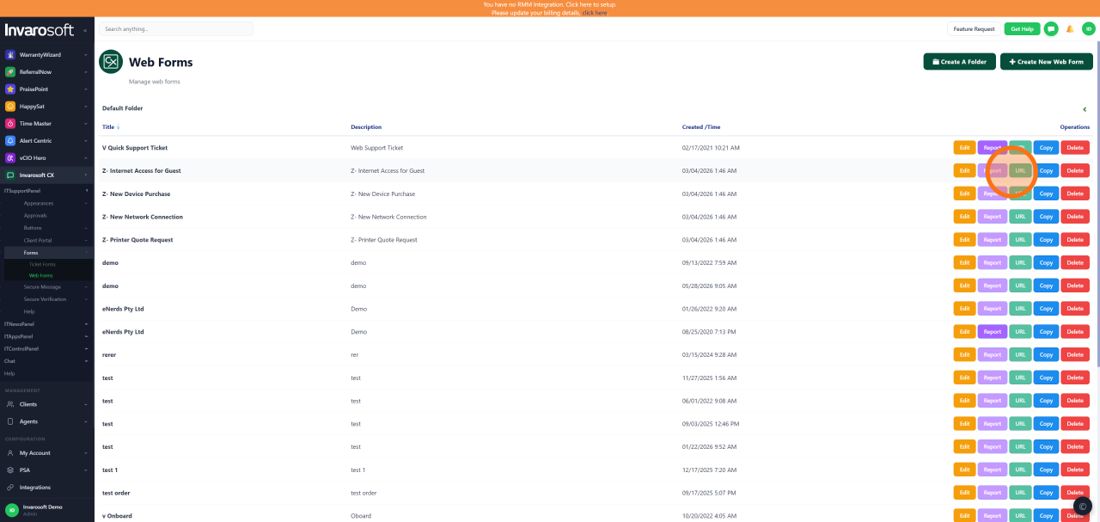
| Copy the form's link with the URL button |
To share the form, click URL on its row to get its link.
Tip: the URL only works if the form is Public, or Private with the Public/Private box checked (see step 5).
Result
| Done. Your web form is saved and ready to collect responses. Share it by URL, add it to the Client Portal, or place it under a Button Collection. |
Invarosoft · Invarosoft CX documentation